Sinners 2025 Cultural Article
How Sinners Became the Most Culturally Important Film of 2025
Film: Sinners (2025)
Director: Ryan Coogler
In a year dominated by sequels, reboots, and algorithm-chasing content, Ryan Coogler’s Sinners didn’t just break through — it shattered ceilings.
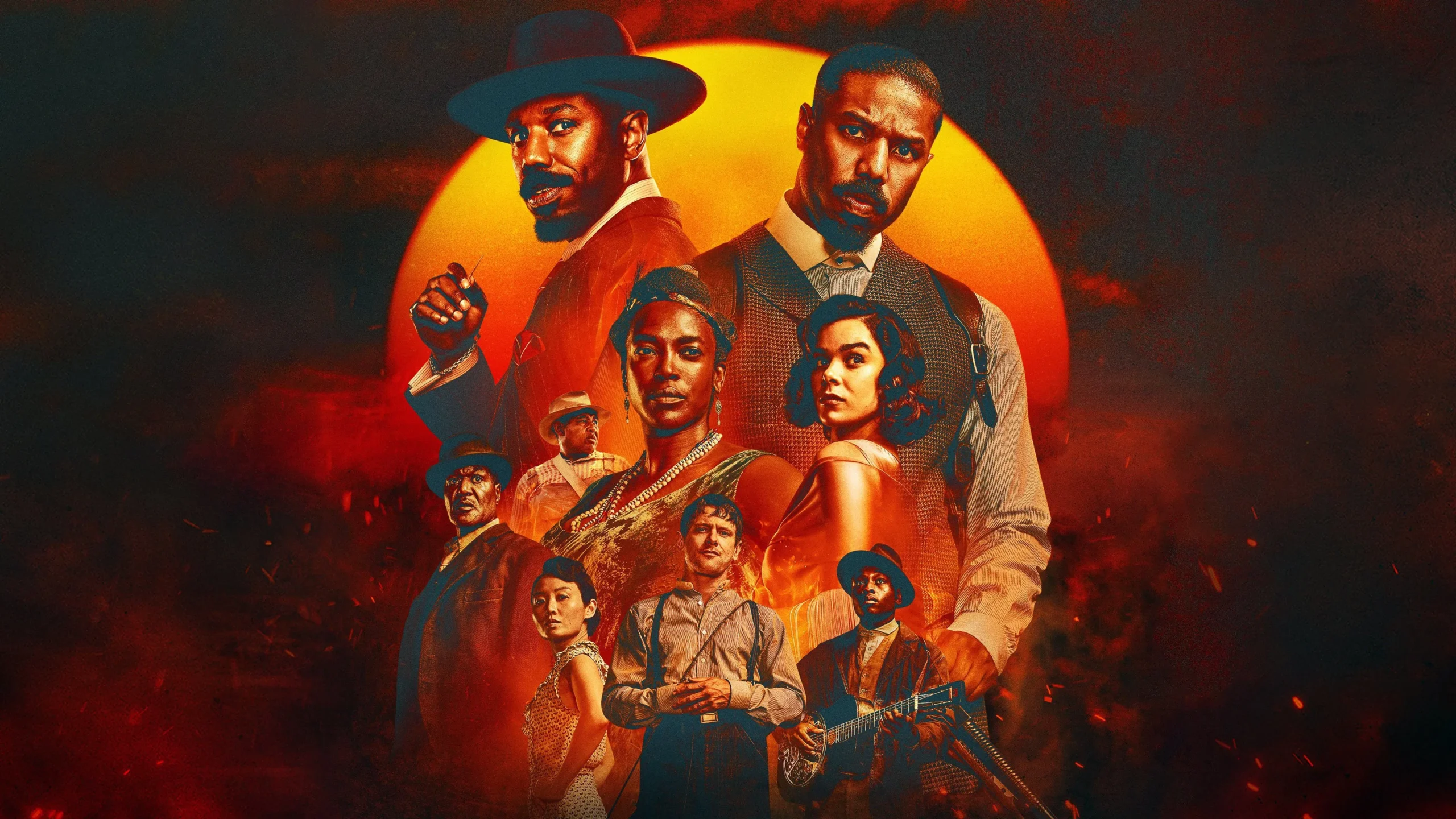
What began as a whispered gamble — a vampire horror film set in the Jim Crow South, shot on IMAX 70mm, with a majority Black cast and a $100 million budget from a nervous Warner Bros. — became the cinematic phenomenon of the decade. It wasn’t supposed to work. According to Hollywood’s old guard, it was supposed to fail. Instead, Sinners roared into theaters on Easter weekend 2025 and delivered its own resurrection: a $368 million global box office, the highest-grossing original (non-franchise) film in 15 years, and the 10th-highest domestic gross for an R-rated movie in history — surpassing legends like Terminator 2 and The Hangover.
But more than numbers, Sinners became a cultural touchstone — the film that proved storytelling rooted in Black history, Southern folklore, and unflinching social commentary could be both artistically radical and wildly popular.
The Bet That Defied Hollywood Logic
When Ryan Coogler first pitched Sinners — a genre-bending tale of vampiric allegory, blues mythology, and forgotten histories in 1930s Mississippi — the industry scoffed. How could a horror film steeped in antebellum trauma and Delta blues, starring actors of color in nearly every lead role, possibly compete in a marketplace still obsessed with familiar IP?
Warner Bros. was labeled reckless for greenlighting such a bold vision, especially under a deal that granted Coogler unprecedented creative control: final cut privileges and full rights to the film after 25 years. Critics called it a vanity project, a “studio suicide mission.” One anonymous executive told Variety: “This could be the end of the studio system as we know it.”
And yet, Coogler — who hadn’t written a feature script solo since Fruitvale Station — claimed he “cobbled it together in two months.” But those two months were built on decades of obsession: his late uncle’s vinyl collection of Howlin’ Wolf and Bessie Smith, hours spent poring over Library of Congress archives, conversations with historians about Native American mythos and the erased legacy of Chinese immigrant grocers across the Deep South.
“I didn’t write it in two months,” Coogler clarified in a New Yorker profile. “I finished it in two months. The research took my whole life.”
A Story That Bled History
At its core, Sinners is a vampire film, yes — but not in the way you think.
Set in 1934 Mississippi, it follows the Smokestack twins (both played by Michael B. Jordan), bootleggers who run a midnight juke joint that doubles as a sanctuary — and a battleground.
These aren’t your Twilight vampires. They’re manifestations of historical trauma — pale, gaunt, and eerily polite — who prey on the living with bureaucratic cruelty and colonial charm.
As Delroy Lindo’s Delta Slim says:
“They drink blood because they scared of what we made when we got nothin’ but dirt and pain. They hate the music ’cause the music remembers.”
Michael B. Jordan and the Performance of a Lifetime
If Sinners is a monument, Michael B. Jordan is its cornerstone.
Playing identical twins with divergent souls, Jordan delivers a performance of rare technical and emotional depth.
Why Sinners Mattered Beyond the Screen
In 2025, amid renewed political attacks on Black history curricula and cultural erasure, Sinners didn’t just entertain — it educated.
It entered classrooms, inspired scholarship, dominated social media, and became a cultural rallying cry.
The Legacy of Sinners
Sinners didn’t just defy expectations — it redefined them.
Hollywood thought this film would destroy them.
Instead, Sinners saved them.
#Sinners2025 #RyanCoogler #MichaelBJordan #BlackCinema #HorrorMovies #CulturalImpact